EU Stage V & NRMM ready — CO₂ monitoring built in
Know Exactly How Much
Fuel & CO₂ Every
Machine Burns
Wireless fuel flow meters with a 5‑year battery. Bolt on in 30 minutes — no wiring, no downtime. Real‑time CO₂ and consumption data straight to your phone via a free app.
Scroll
How it works
Up and running in 30 minutes
No electrician. No OBD port. No software licence.
1
Bolt onto the fuel line
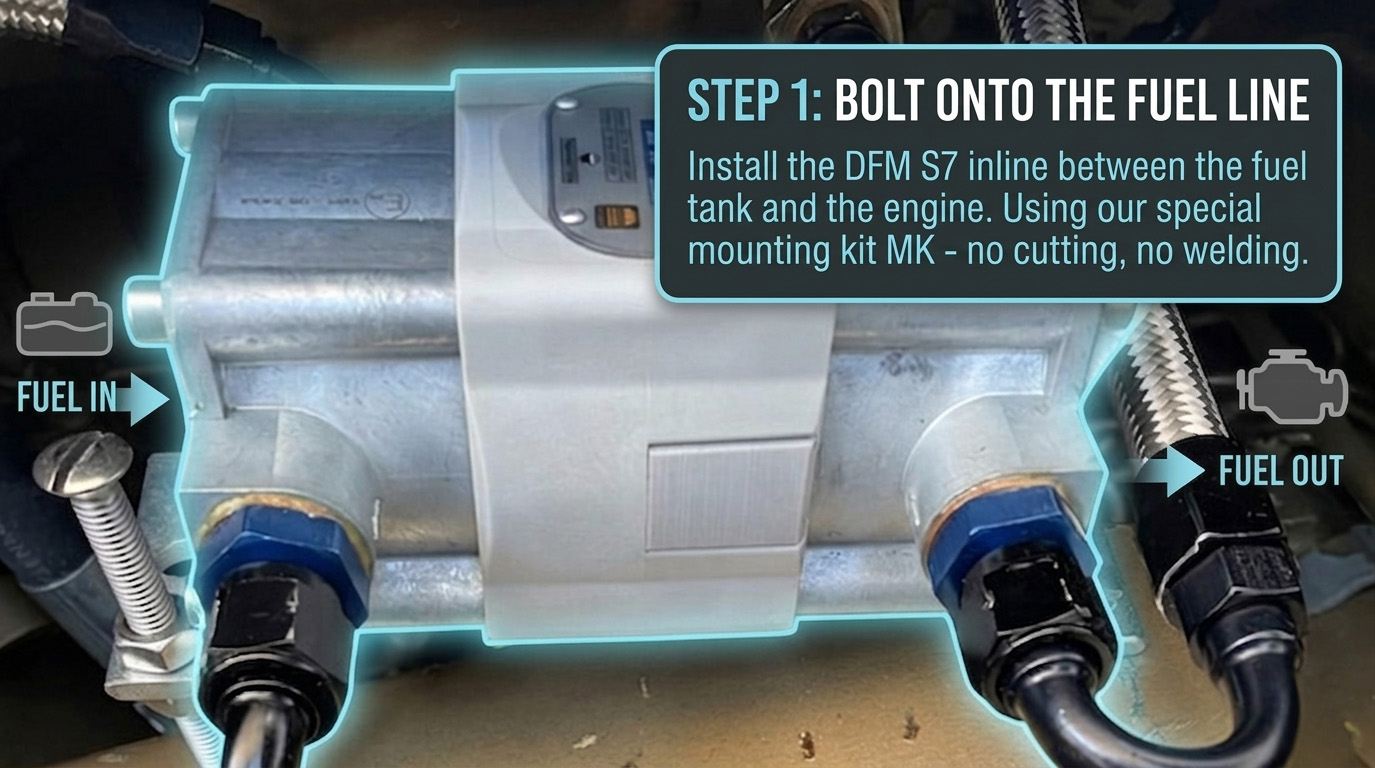
Install the DFM S7 inline between the fuel tank and the engine. Standard fittings included — no cutting, no welding.
Typical install time: 20–30 min — step-by-step video tutorials and a detailed installation manual make it easy for anyone, no specialist required.
2
Pair via Bluetooth

Open the free Fuel Rate Monitor app on your phone. The sensor appears automatically — tap to connect.
Android & iOS — free forever
3
See fuel & CO₂ live

Real-time dashboards show litres per hour, total fuel consumed, CO₂ emitted, fuel temperature, and engine mode.
Export data for reports & compliance
Choose your sensor
Find the right DFM for your engine
Wireless fuel flow meters for every engine size. Pick the model that fits your fleet.
Up to 100 L/h
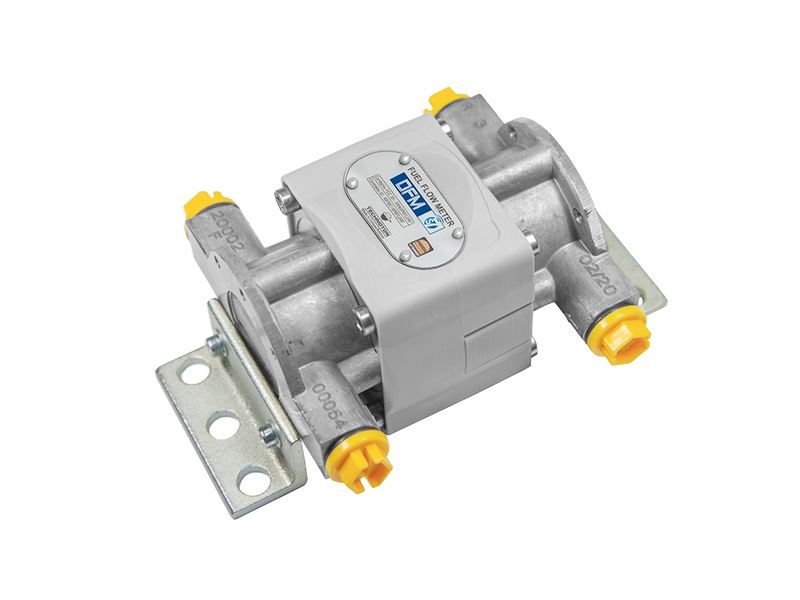
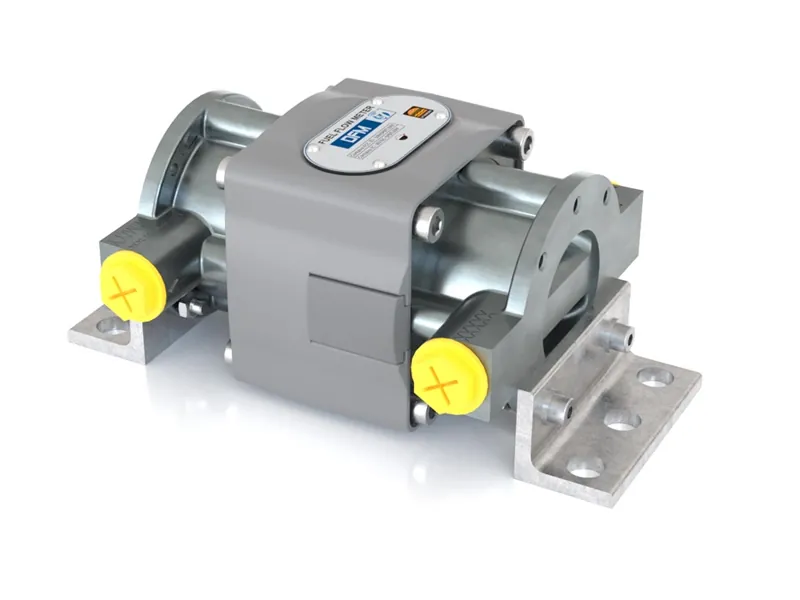
DFM 100DS7
Compact wireless differential fuel flow meter for engines consuming up to 100 L/h. Measures both supply and return lines for true net consumption. Ideal for tractors, light construction machinery, diesel generators, and small excavators.
Flow range 2–100 L/h per channel
Best for Tractors, light trucks, diesel gensets
CO₂ output Yes — real-time via BLE & app
Interface BLE + CAN J1939/S6 + RS‑485
from €524
Buy in e-shop →
Most popular
Up to 250 L/h
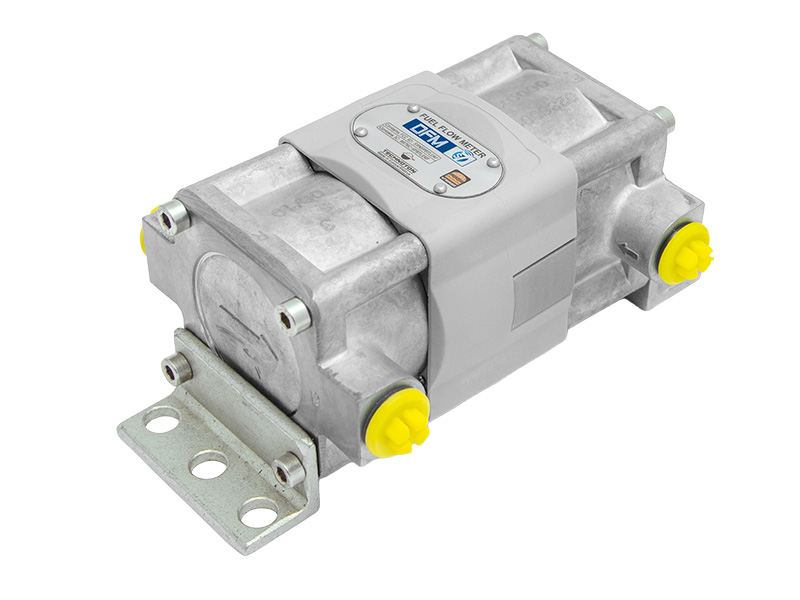
DFM 250DS7
The sweet spot for mid-range engines. Differential (supply+return) measurement for true net consumption. Covers excavators, wheel loaders, bulldozers, and most construction machinery. Wireless, battery-powered, CO₂ ready.
Flow range 2–250 L/h per channel
Best for Excavators, wheel loaders, bulldozers
CO₂ output Yes — real-time via BLE & app
Interface BLE + CAN J1939/S6 + RS‑485
from €650
Buy in e-shop →
Up to 500 L/h · Heavy-duty
DFM 500DS7
High-capacity differential fuel flow meter for heavy engines — mining trucks, marine generators, large excavators. Supply+return measurement for precise net consumption on the toughest jobsites.
Flow range 10–500 L/h per channel
Best for Mining trucks, marine & industrial engines
CO₂ output Yes — real-time via BLE & app
Interface BLE + CAN J1939/S6 + RS‑485
from €782
Buy in e-shop →

Capacitive · Wireless BLE
DUT-E S7 1000 mm
Non-contact ultrasonic tank level sensor. No moving parts, no fuel contact — just drop it into the tank and pair via Bluetooth. Perfect for stationary tanks, generators, and mixed fleets where inline metering isn’t practical.
Technology Capacitive
Tank depth Up to 1000 mm
Wireless BLE, 5-year battery
Detects Fuel level, theft, refuelling
from €195
Buy in e-shop →
Need higher flow rates, differential setup, or a custom kit?
We build DFM solutions for engines up to 3,000 L/h and differential (supply+return) configurations. Tell us about your project.
Free apps
Your fuel data — in your pocket
No subscriptions. No cloud fees. Just pair via Bluetooth and start monitoring.
Every DFM S7 flow meter is paired with the Fuel Rate Monitor app. Every DUT‑E S7 tank sensor is paired with Fuel Tank Monitor. Both are free on Android and iOS — forever. Walk up to a machine, open the app, and see exactly what’s happening with fuel right now.
Fuel Rate Monitor
For DFM S7 flow meters
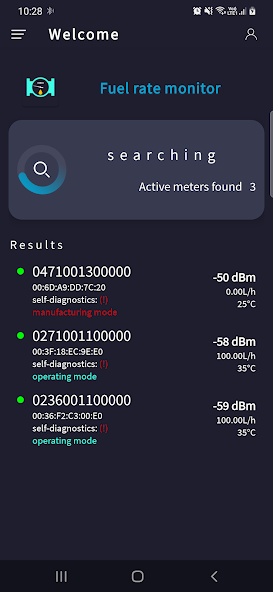
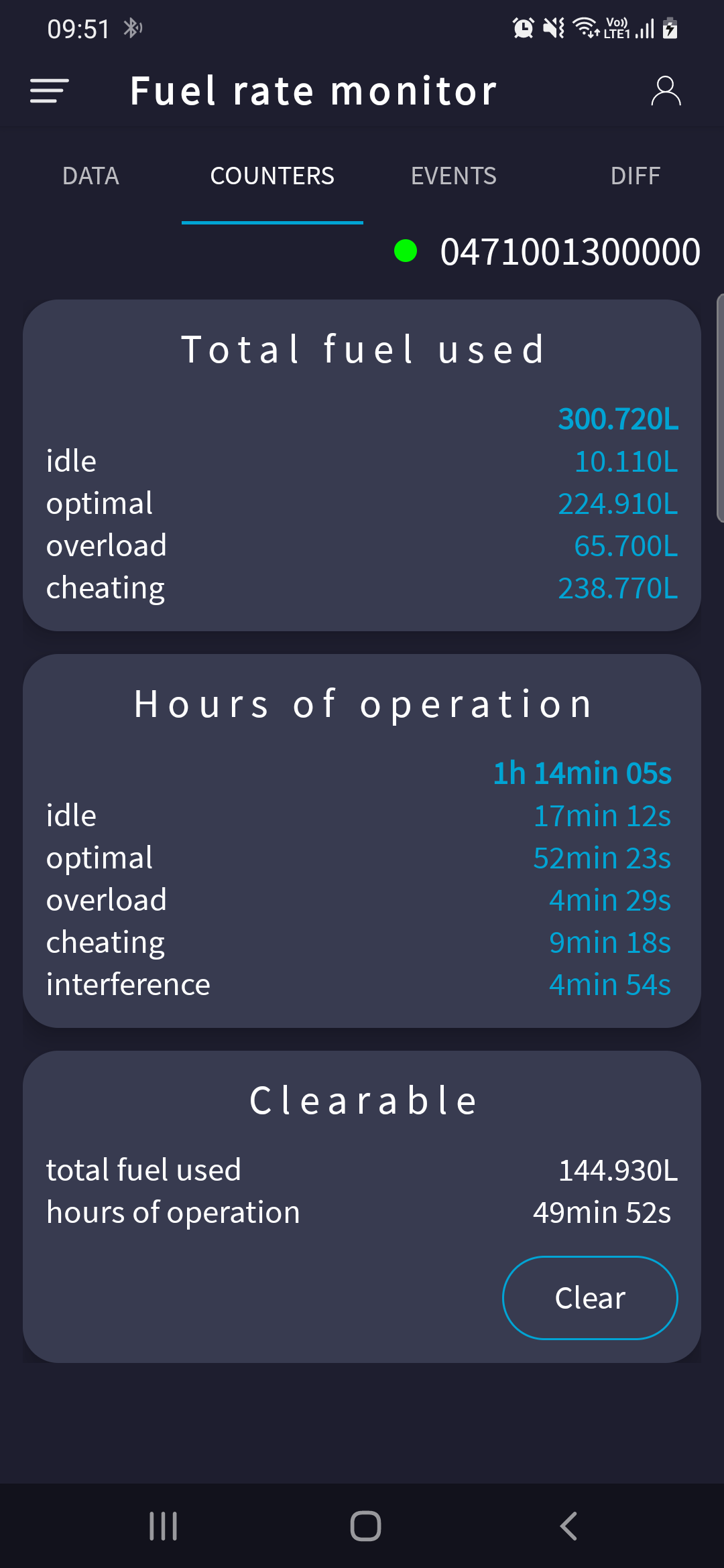
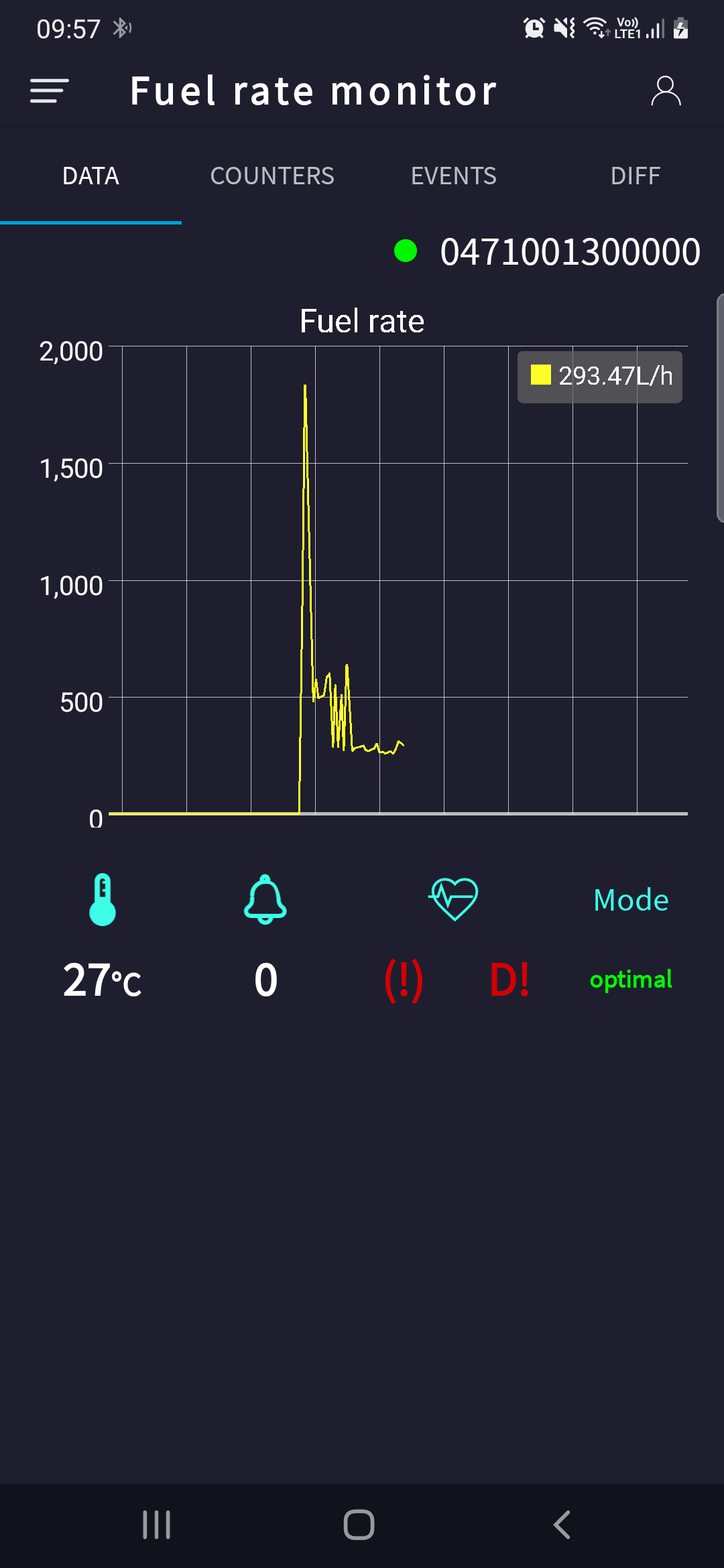
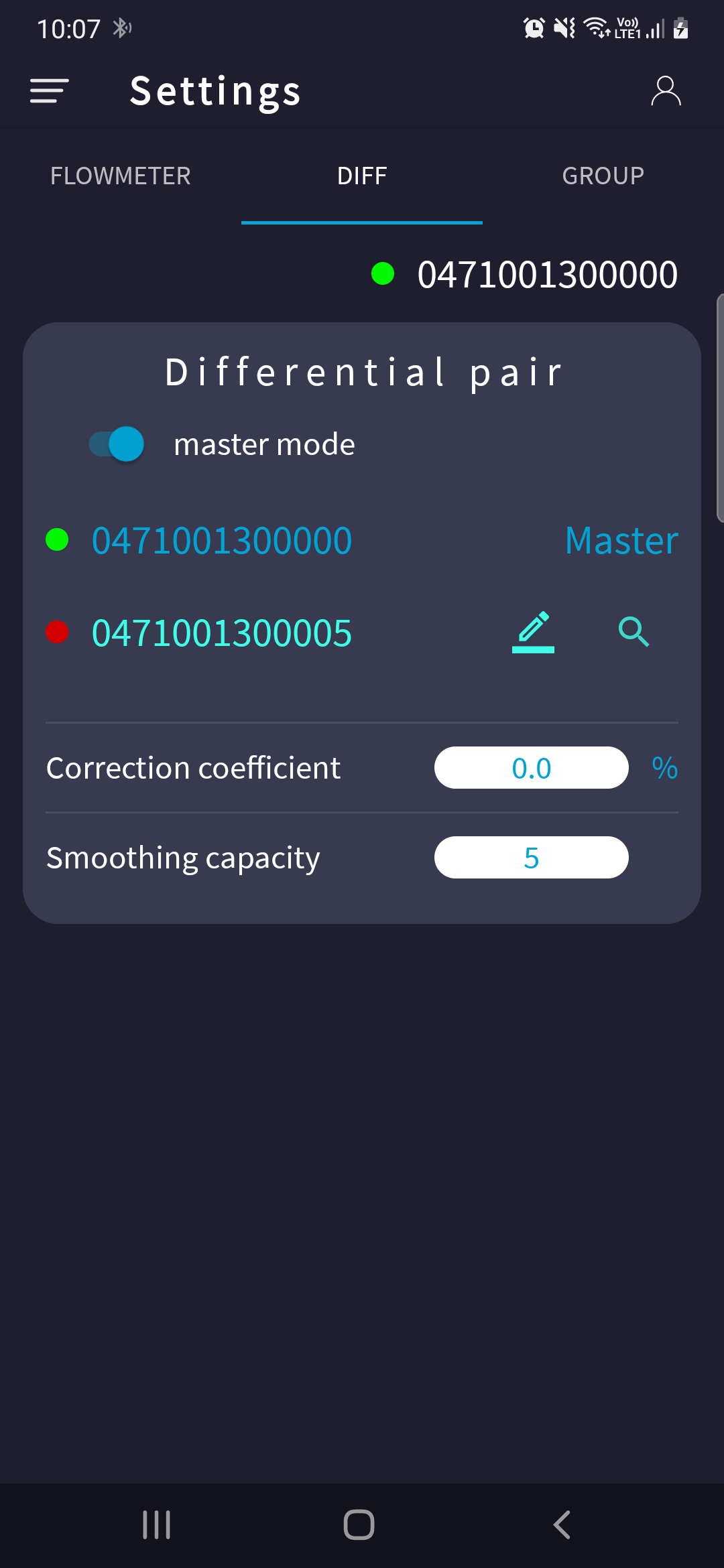
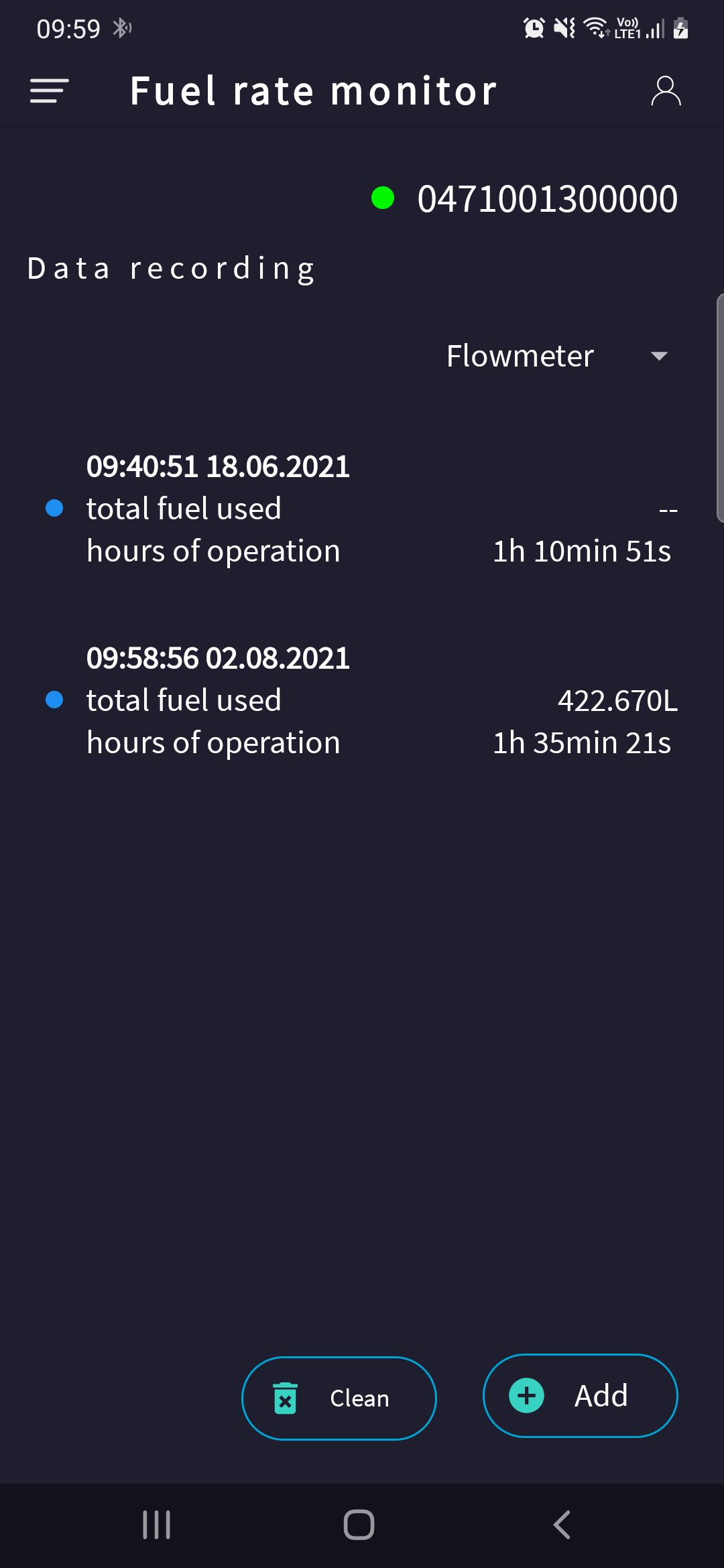
See fuel consumption and CO₂ emissions in real time. The app calculates everything from the raw flow data — including instant fuel rate, trip totals, engine temperature, and operating mode.
- Live fuel rate (L/h) and total consumed (L)
- Real-time CO₂ emissions (kg)
- Fuel temperature & engine mode detection
- Trip history & data export (CSV)
- Multi-sensor support
Fuel Tank Monitor
For DUT-E S7 tank sensor
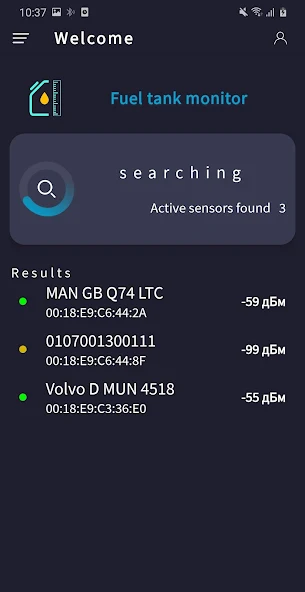
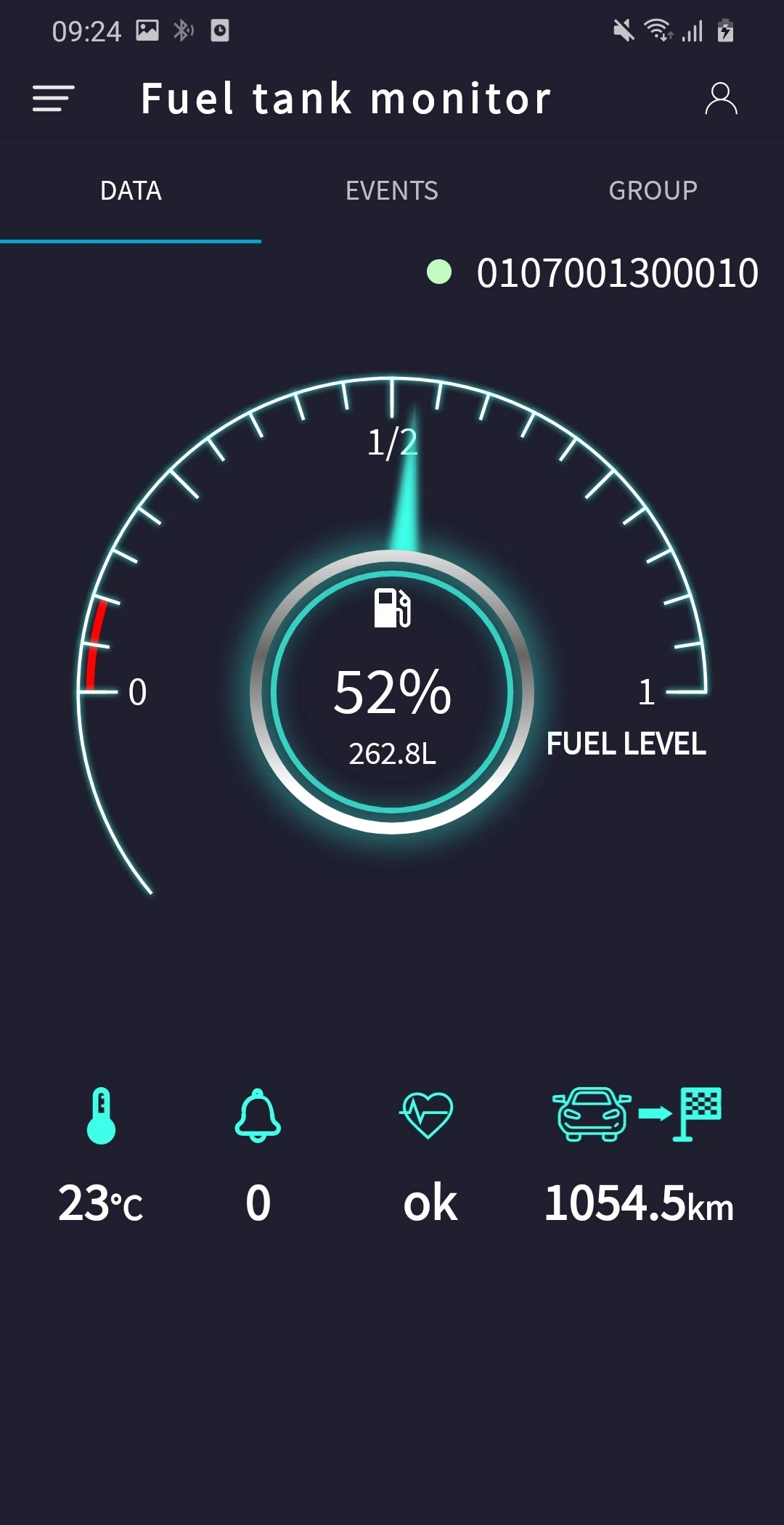
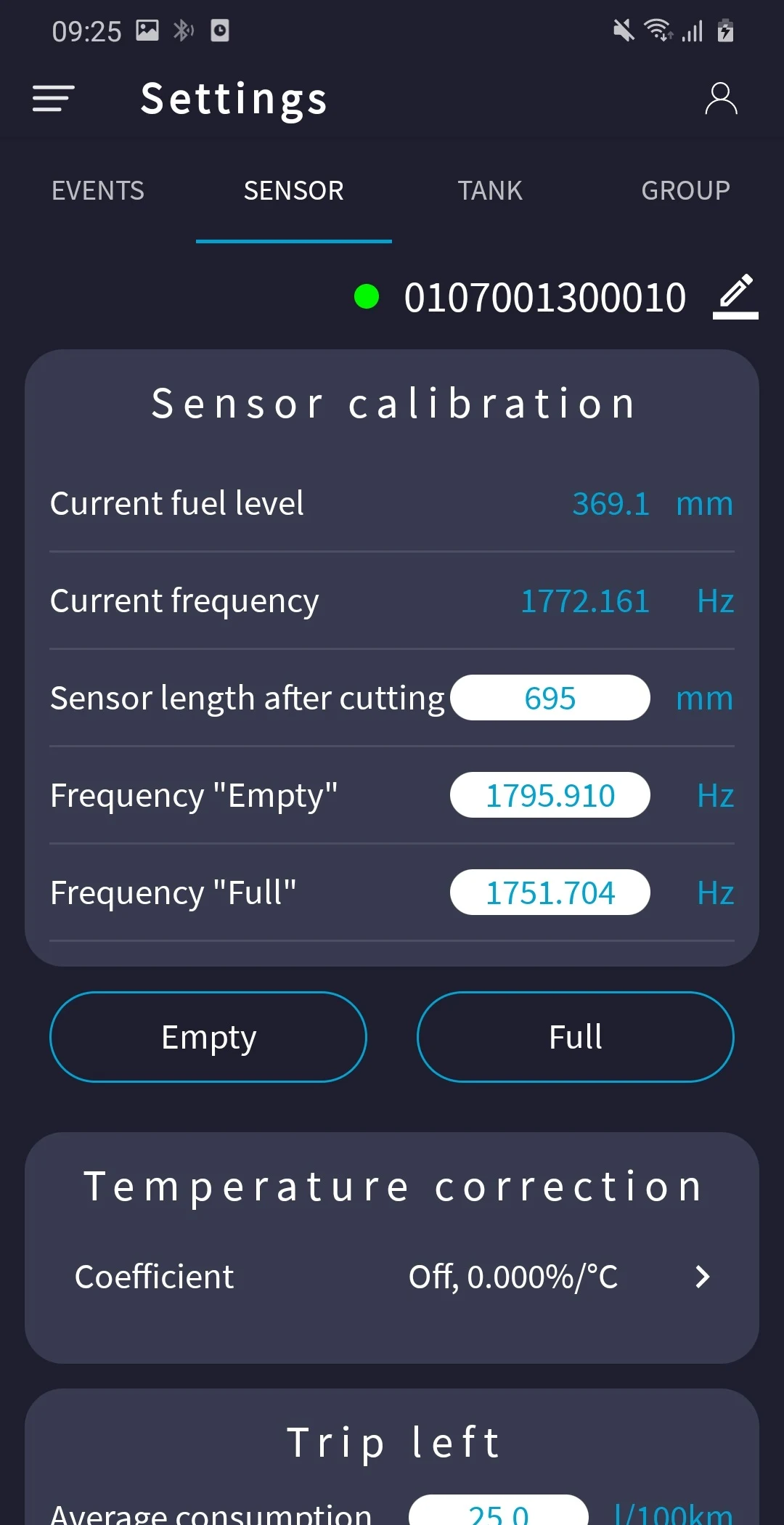
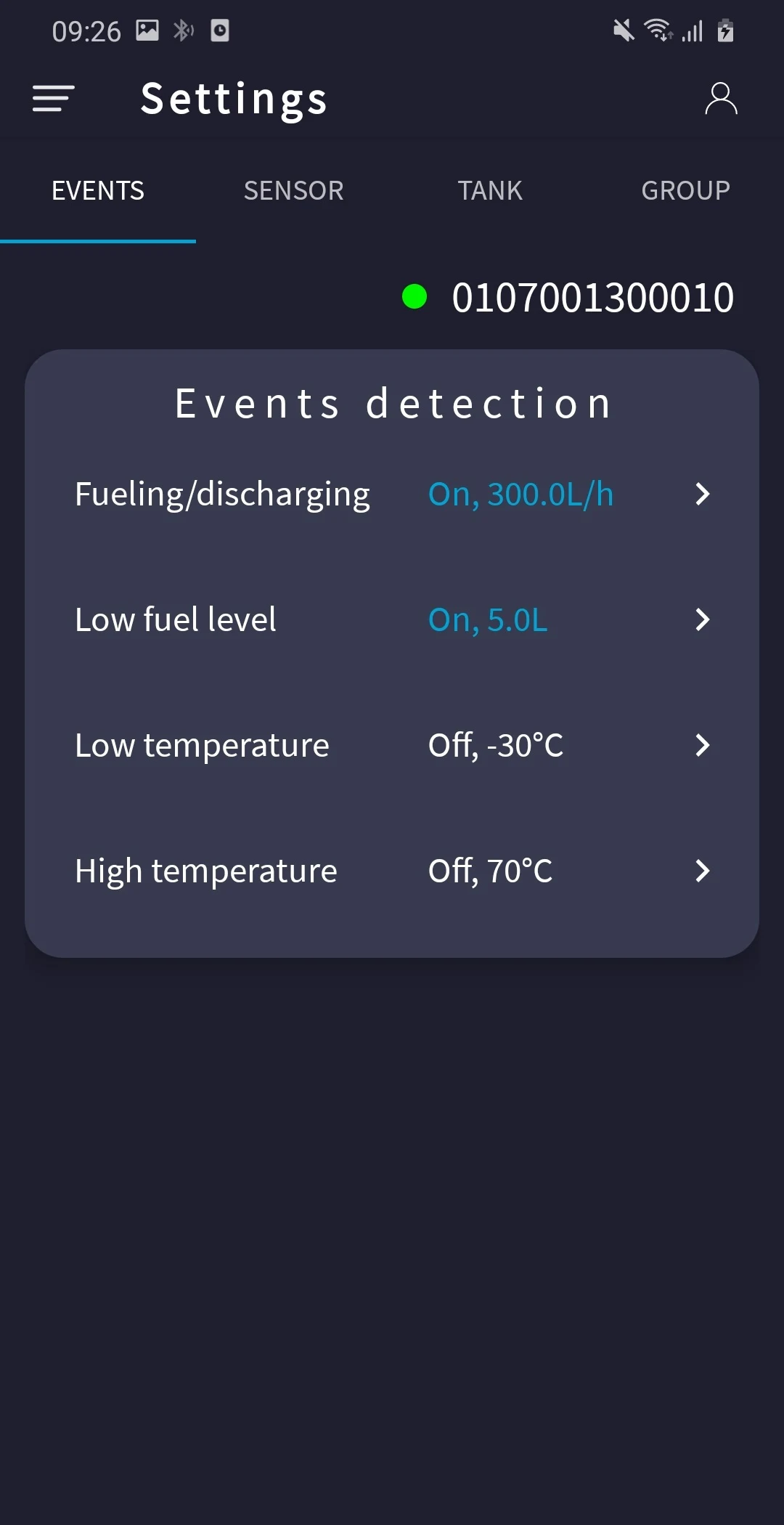
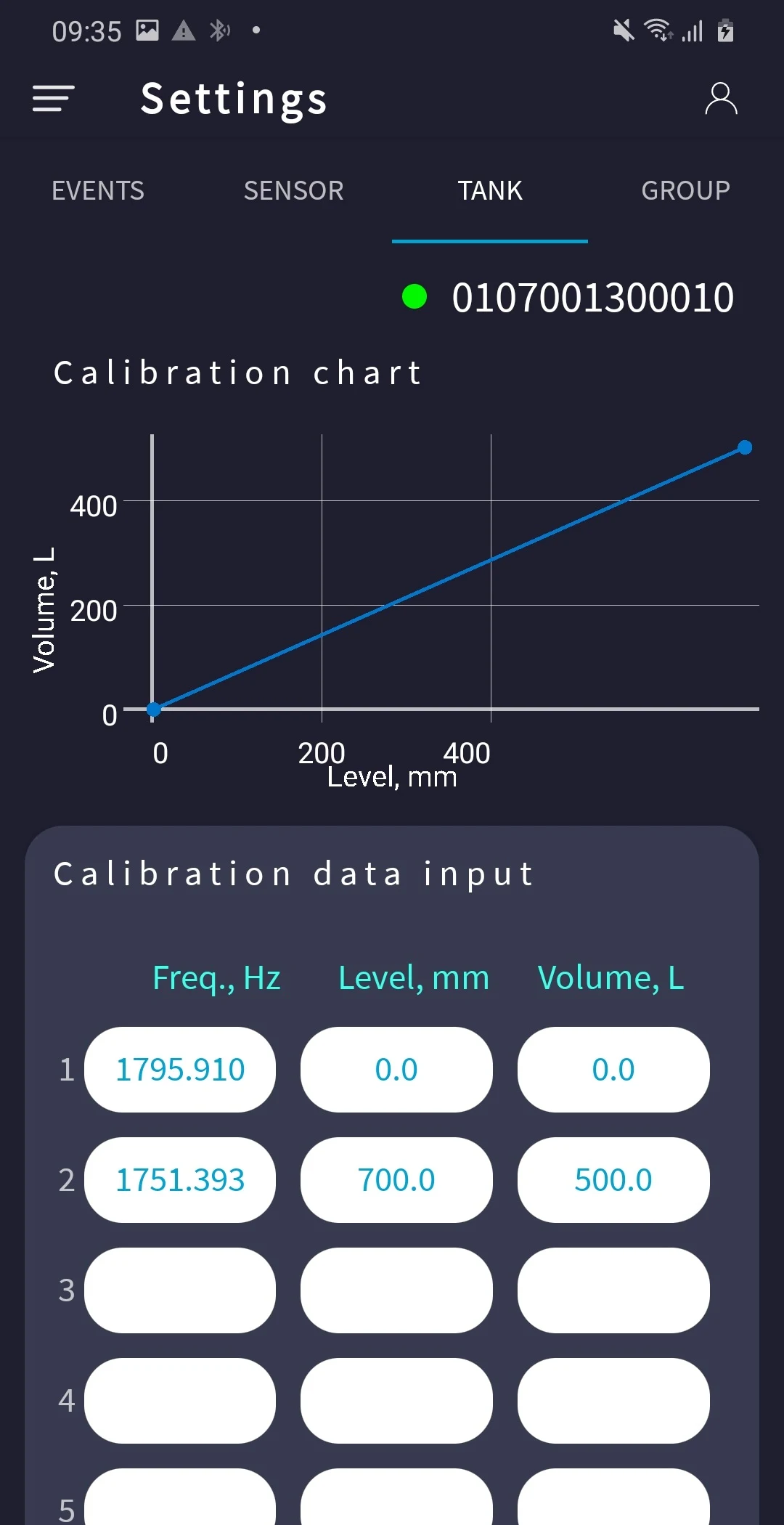
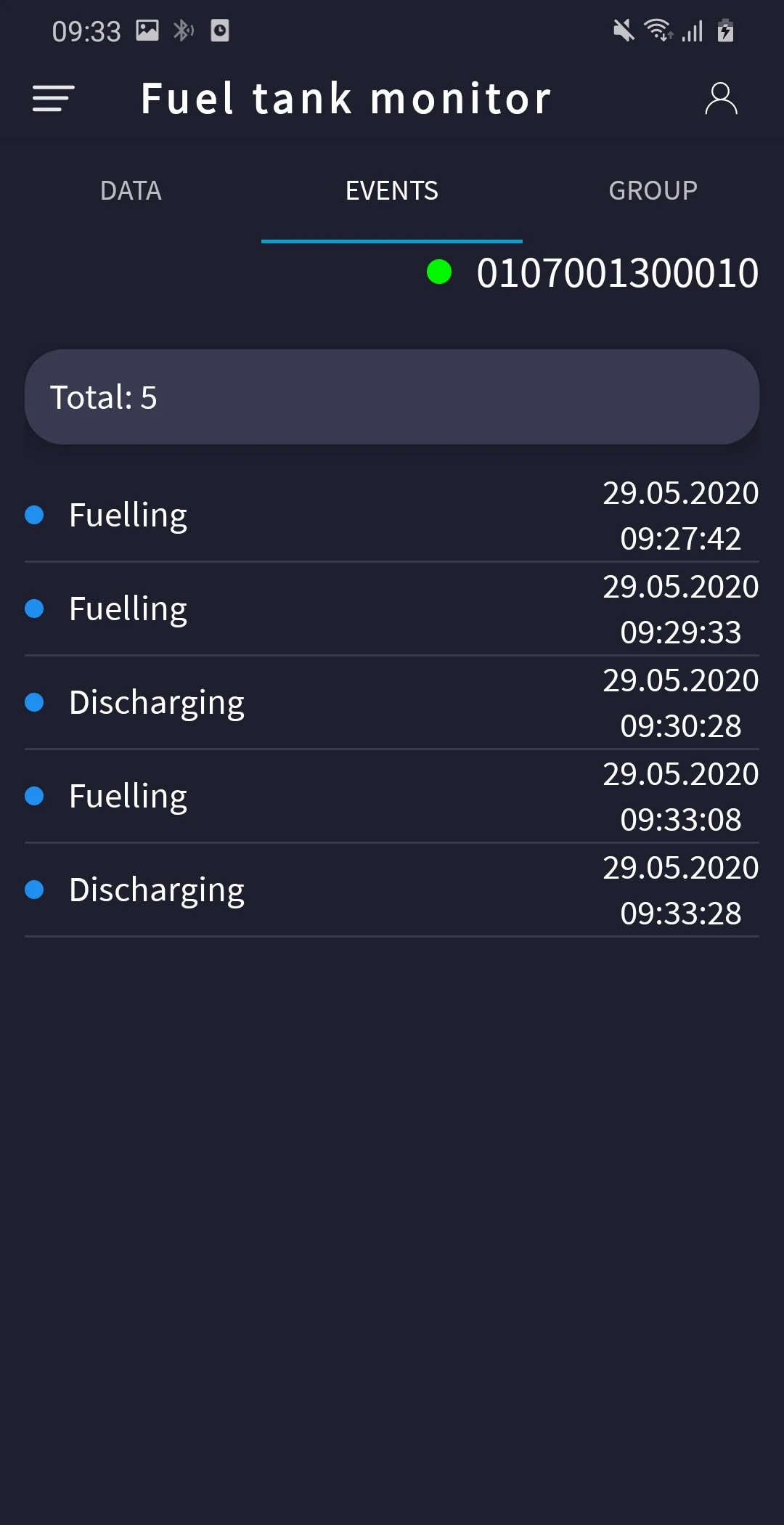
Check fuel level, detect theft events, and log refuelling — all from your smartphone. Walk up to the tank, open the app, and see how much fuel is inside.
- Live fuel level (litres & percentage)
- Theft & drain event detection
- Refuelling log
- Tank calibration wizard
- Multi-tank support
CO₂ reporting is no longer optional
New EU and Nordic regulations require construction and fleet operators to measure, report, and reduce machine-level emissions. Guesswork won’t pass an audit.
-
EU CSRD / ESRS E1 From 2025 large & listed companies must disclose Scope 1 emissions per activity — including off-road machinery.
-
EU NRMM Stage V Stage V limits are in force. Tenders increasingly ask for per-machine fuel and CO₂ logs to verify compliance.
-
ETS 2 & national carbon taxes EU Emissions Trading System expands to transport fuels from 2027. Nordic countries already levy CO₂ tax on diesel — accurate data means accurate cost control.
-
Green public procurement Scandinavian municipalities score climate plans in tenders. Machine-level CO₂ data wins points.
2025
CSRD Scope 1 reporting
Live now
2027
ETS 2 fuel surcharges
Coming
Ongoing
Nordic CO₂ tax increases
Active
Now
Green tender scoring
Active
Real-world CO₂ data
Typical CO₂ emissions by industry
Concrete emission calculations for common machines — based on actual fuel consumption measured by DFM S7.
Mining — dump truck
Sand hauling, per ton of cargo
Machines operate around the clock in harsh conditions with variable loads. Fuel consumption is unstable and hard to predict.
- Equipment 30 t dump truck
- Route 24 km round trip
- Fuel per trip 16.8 L (0.7 L/km)
- CO₂ per trip 44.4 kg
- Per day (2 shifts, 600 t) 370 L → 975 kg CO₂
1.63 kg CO₂/t
Average emissions per ton of cargo
Agriculture — tractor
Winter wheat seeding, per hectare
The same tractor is used with different implements. Extended idling is common during field operations.
- Equipment 250 hp tractor + seed drill
- Field 20 ha
- Fuel consumption 12 L/ha × 20 ha = 240 L
- Total CO₂ 634 kg
31.7 kg CO₂/ha
Emissions per hectare
Vessels — harbour tug
Vessel berthing, per shift
Marine engines consume hundreds of litres per hour and must comply with strict international environmental regulations.
- Equipment Tug, 2×1,500 kW
- Operation 1.2 h → 720 L fuel
- CO₂ per operation 1,900 kg
- Per shift (2 ops) 1,440 L → 3,800 kg CO₂
- Per day (2 shifts) 2,880 L → 7,600 kg CO₂
3,800 kg CO₂
Per shift
Construction — asphalt paver
Road paving, per kilometre
Excavators, bulldozers, and pavers often operate with variable power in separate work cycles, frequently in urban environments.
- Equipment 200 kW diesel paver
- Section 500 m × 7 m × 0.1 m
- Duration 5 h → 250 L fuel
- CO₂ per section 660 kg
1,320 kg CO₂/km
Emissions per kilometre of asphalt
Why DFM S7
The wireless way to control fuel & CO₂
No cables. No ECU hacking. No vehicle downtime. Just bolt the sensor onto the fuel line, pair via Bluetooth, and start getting data.
100% wireless — 5-year battery
Built-in lithium battery lasts up to 5 years. No wiring to the vehicle’s electrical system — so there’s no risk of voiding warranties or causing electrical faults.
±1% metering accuracy
Oval-gear positive-displacement technology delivers laboratory-grade precision. You see true consumption — not a rough estimate — down to 0.01 L.
Instant CO₂ calculation
The sensor automatically converts fuel consumption into CO₂ emissions in real time. That’s the data you need for NRMM compliance, ESG reports, and green tender bids.
Free smartphone app
Pair via Bluetooth, open the Fuel Rate Monitor app, and see live consumption, CO₂, temperature, and engine mode. No subscription. No cloud fees.
−40°C to +85°C
Works in Scandinavian winters, desert heat, and high-temperature engine bays. IP54 standard; IP67 on request. Built for the toughest conditions on site.
Telematics-ready
BLE data streams to Teltonika, Queclink, Ruptela, and other GPS trackers — giving you fleet-wide fuel and CO₂ dashboards without extra hardware.
Specifications
Technical details
DFM S7 series — wireless Bluetooth fuel flow meters
| Measurement principle | Positive-displacement oval gears |
| Measurement accuracy | ±1% |
| Wireless interface | Bluetooth 4.X BLE |
| Battery life | Up to 5 years (built-in lithium) |
| Operating temperature | −40°C to +85°C |
| Protection class | IP54 standard / IP67 on request |
| Explosion safety | Intrinsic safety, no external barriers needed |
| DFM 100DS7 flow range | 2–100 L/h per channel |
| DFM 250DS7 flow range | 2–250 L/h per channel |
| DFM 500DS7 flow range | 10–500 L/h per channel |
| Output data | Fuel consumption, CO₂ emissions, temperature, engine mode |
| Monitoring data | Operating hours, idle/optimal/overload time, supply & return flow, anomaly alerts |
| Engine load modes | Idle, optimal, overload — with CO₂ breakdown per mode |
| Wired interfaces (optional) | CAN J1939/S6, RS-485 |
| Telematics compatibility | BLE → GPS trackers (Teltonika, Queclink, CalAmp, Ruptela, etc.) |
| Fuel compatibility | Diesel, biodiesel, kerosene, light fuel oil |
| Certifications | CE, ATEX zone 2 (explosion safety) |
FAQ
Frequently asked questions
Everything you need to know before buying
No cables at all. DFM S7 uses Bluetooth 4.X BLE to transmit data wirelessly to smartphones or compatible GPS trackers. The sensor runs on a built-in lithium battery lasting up to 5 years — so there’s no connection to the vehicle’s electrical system, no risk of voiding warranties, and zero installation downtime.
DFM S7 flow meters provide ±1% accuracy across the full operating range. The oval-gear positive-displacement technology measures every drop of fuel passing through the sensor — it’s not an estimate based on engine data, but an actual physical measurement.
It depends on your engine’s maximum fuel flow rate. DFM 100DS7 covers engines up to 100 L/h — tractors, light trucks, and diesel generators. DFM 250DS7 handles up to 250 L/h — most excavators, wheel loaders, and mid-size construction equipment. DFM 500DS7 is for heavy-duty engines up to 500 L/h — mining trucks, marine generators, and large industrial machinery. When in doubt, choose one size up for headroom.
Yes. DFM S7 operates from −40°C to +85°C — covering Scandinavian winters, Middle Eastern summers, and high-temperature engine bays. Protection is IP54 standard; IP67 is available on request for fully submersible environments.
DFM S7’s BLE signal is compatible with all major telematics platforms that support Bluetooth sensors, including Teltonika, Queclink, CalAmp, Ruptela, and many others. This lets you feed per-machine fuel and CO₂ data into your fleet management dashboard without extra hardware.
DFM S7 measures actual fuel consumed, then applies the standard emission factor (2.68 kg CO₂ per litre of diesel) to calculate CO₂ output in real time. This data is available in the Fuel Rate Monitor app and can be exported for fleet-wide NRMM compliance, ESG disclosures, and sustainability reports.
In many countries, environmental reporting is becoming mandatory. The EU’s CSRD/ESRS and ETS2 (from 2027), the US EPA HDV Phase 3, and ISSB-aligned standards across Asia (from 2025–2026) all require or strongly incentivise CO₂ disclosure. Preparing now helps avoid risks and fines. Beyond compliance, fleets that meet international reporting standards gain access to large investment projects and tenders where transparent environmental documentation is a mandatory condition for participation.
Typically 20–30 minutes per machine. The sensor bolts inline on the fuel line using standard fittings (included). No electrician needed, no OBD/CAN connection required, no vehicle downtime. A single technician can equip multiple machines in a day.
No. Both the Fuel Rate Monitor and Fuel Tank Monitor apps are completely free — no subscription, no cloud fees, no hidden costs. Your data is transmitted directly from sensor to phone via Bluetooth. If you want fleet-wide dashboards, you can forward BLE data through compatible GPS trackers to any telematics platform.
Stop guessing. Start measuring.
All DFM S7 and DUT‑E S7 sensors are in stock and ship within 2 business days across the EU. Standard fittings kit included with every order. Free app, no subscription — ever.
Shopping Cart